TideCraft
A practical introduction to choosing paddle gear, understanding basic technique, preparing for changing conditions, and building a safer, more comfortable day on the water.
Match the paddle to the activity
Understand basic technique
Read conditions before launch
Keep safety within reach
Begin with the water
The right setup starts before launch
Paddle sports can look simple from shore, but a good experience is shaped by several decisions made before the craft touches the water. Your route, water conditions, expected distance, passenger load, comfort level, and intended pace all influence the equipment that makes the most sense.
01
Know your environment
Calm lakes, slow rivers, protected coastal areas, and moving water behave differently. Start by understanding where you plan to paddle.
02
Choose for stability and purpose
Recreational paddlers often benefit from a stable platform and predictable handling before prioritizing speed or advanced maneuverability.
03
Treat safety gear as part of the setup
A life jacket, appropriate clothing, hydration, visibility, and a route plan belong alongside the board, kayak, or paddle itself.
Choosing Your Craft
Start with how you want to move
There is no single best paddle craft for every situation. The better choice is the one that fits your water, experience level, desired pace, storage needs, and preferred way of spending time outside.
01
Paddle Boards
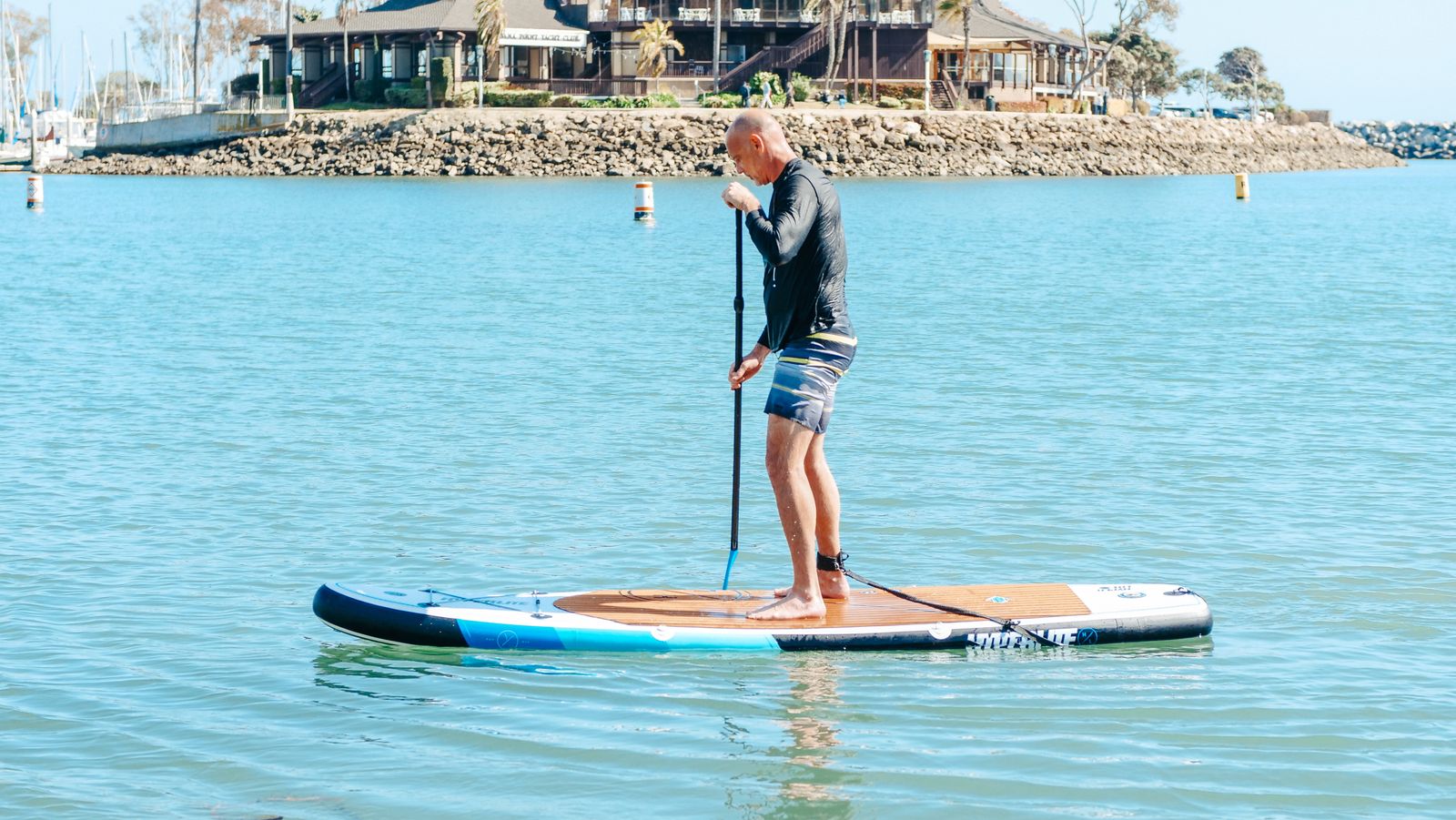
Stand-up paddle boards create an open, flexible platform for relaxed exploration, balance-focused paddling, shoreline cruising, and recreational sessions on calmer water.
Open Platform
Balance Focus
Calm Water
02
Kayaks
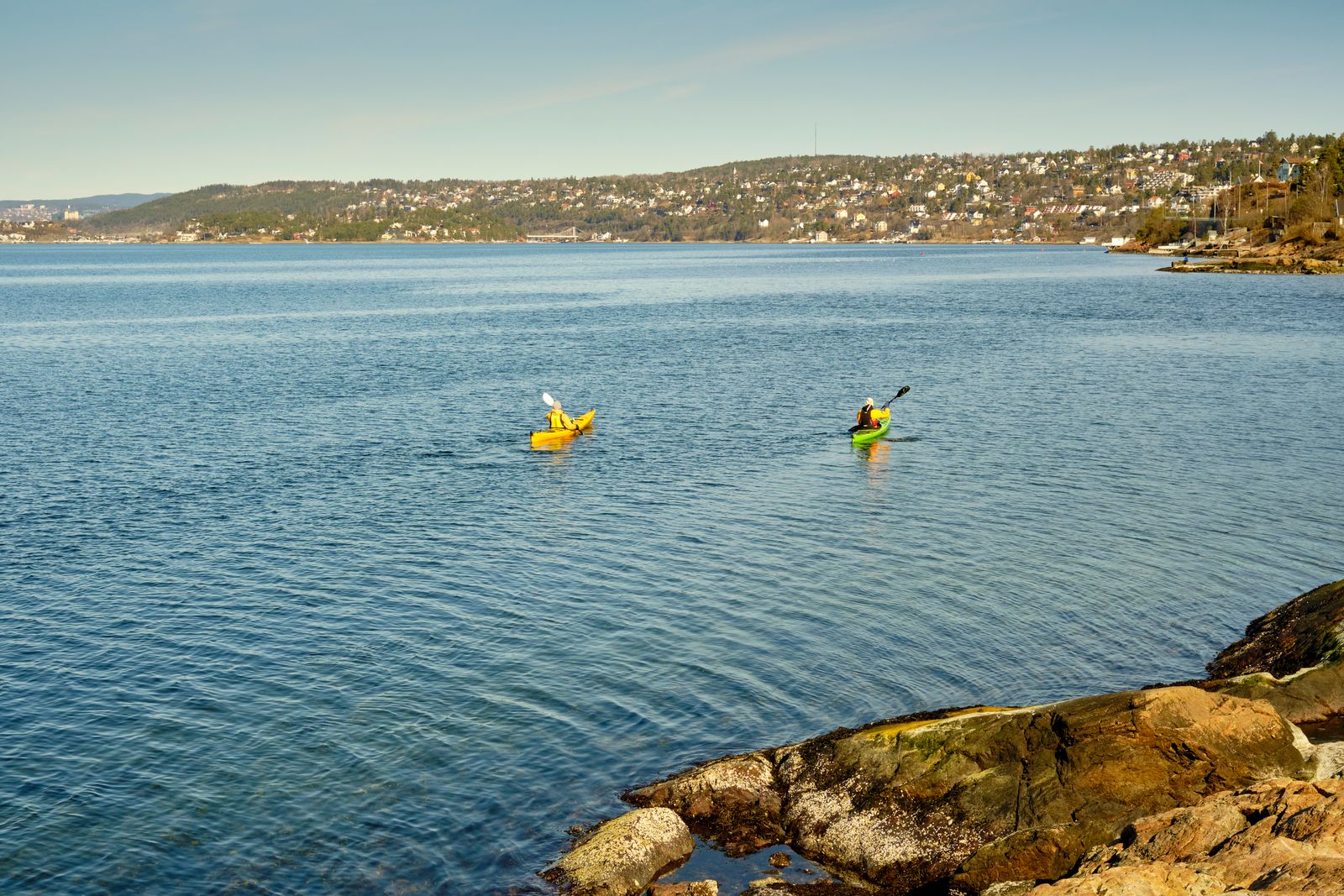
Kayaks offer a seated paddling position with a lower center of gravity and can feel more contained for longer recreational routes, exploring shorelines, or carrying light personal gear.
Seated Position
Route Comfort
Stable Feel
03
Paddles
The paddle is the link between your body and the water. Length, blade shape, intended craft, and your own position affect comfort, stroke efficiency, and control over longer sessions.
Control
Efficiency
Fit Matters
Quick Comparison
Match the craft to the experience
Use this overview as a starting point rather than a strict rule. Water conditions, product design, individual skill, and local requirements can change what is appropriate.
Consideration
Paddle Board
Kayak
Paddle
Position
Primarily standing, with the option to kneel or sit depending on the board and conditions.
Seated paddling position with a lower center of gravity.
Chosen to suit standing or seated technique and the craft being used.
Best Starting Environment
Calm, protected water with limited wind and manageable traffic.
Calm lakes, protected waterways, and suitable recreational routes.
Matched to the craft, paddler size, water, and intended stroke style.
Learning Focus
Balance, stance, board trim, efficient forward stroke, and controlled turning.
Comfortable seating, directional control, forward stroke rhythm, and stopping.
Grip, shaft angle, blade entry, stroke path, cadence, and recovery.
Planning Priority
Wind awareness is especially important because the paddler and board create a larger profile.
Consider route length, entry and exit points, storage, passenger load, and water exposure.
Avoid unnecessary strain by selecting an appropriate length and technique for the activity.
Paddling Fundamentals
Build control before speed
Efficient paddling is not about forcing the craft through the water. It is about creating repeatable movement, keeping the craft balanced, and making small corrections before they become larger problems.
Paddle Board Basics
Standing Position
01
Begin low and stable
When learning, start from a kneeling position in calm water. Build confidence before standing fully upright.
02
Keep a balanced stance
Place your feet around the center area of the board, keep knees relaxed, and avoid locking your body into a rigid position.
03
Look toward your route
Keep your eyes up and scan ahead rather than staring at your feet. This helps maintain balance and awareness.
04
Use controlled strokes
Let the blade enter the water cleanly, pull with a steady motion, and avoid overly aggressive movements that disturb balance.
Kayak Basics
Seated Position
01
Set your posture first
Sit upright but relaxed. A comfortable, supported position helps reduce unnecessary shoulder and back fatigue.
02
Keep the paddle centered
Maintain an even grip and avoid holding the paddle excessively wide unless the design or technique calls for it.
03
Rotate through the torso
A smooth stroke uses more than the arms. Gentle torso rotation can improve efficiency and reduce repetitive strain.
04
Practice stopping early
Learn how your kayak responds to reverse strokes and braking before paddling into busy areas or narrow routes.
Water Awareness
Conditions are part of your equipment
Wind, temperature, visibility, water movement, boat traffic, and changing weather can transform the character of a route quickly. Experienced paddlers build the habit of reading those conditions continuously rather than treating them as background scenery.
01
Wind changes effort
A route that feels easy in one direction may become significantly harder when returning against the wind.
02
Cold water deserves respect
Air temperature alone does not tell the full story. Water exposure can become serious quickly, so dress appropriately for local conditions.
03
Visibility works both ways
You need to see hazards, but other water users also need to see you. Consider clothing, lighting, and route position accordingly.
Water Safety
Confidence comes from preparation
This guide is general educational information, not a substitute for local safety rules, formal instruction, weather guidance, or professional advice. Always follow regulations and conditions for the waterway you use.
01
Wear an appropriate life jacket
Select an appropriately sized personal flotation device suitable for the activity and follow all local requirements for wearing or carrying it.
02
Check weather before departure
Review current and forecast conditions before launching. Pay attention to wind, storms, temperature changes, and visibility.
03
Understand your route
Know your launch point, planned direction, approximate distance, suitable places to exit, and any known hazards along the way.
04
Tell someone your plan
For longer or less familiar outings, share your intended route and expected return time with someone who is not joining the trip.
05
Protect communication
Keep a suitable communication device protected from water where practical, and understand where mobile coverage may be limited.
06
Carry water and sun protection
Paddling can create steady exposure to sun, heat, reflection, and physical effort. Bring enough hydration and suitable sun protection.
07
Respect traffic and restricted zones
Stay aware of boats, channels, docks, swimmers, wildlife areas, restricted access points, and local navigation rules.
08
Turn back before conditions overwhelm you
Good judgment often means shortening a route. If wind, fatigue, visibility, water movement, or weather deteriorates, make the safer decision early.
Trip Planning
Build the day in four steps
A simple planning rhythm can make recreational paddling feel calmer and more intentional, especially when the route is new or the group includes less experienced paddlers.
01
Define the route
Choose an appropriate launch area, understand the return path, and identify places where you can safely exit if plans change.
02
Check the conditions
Review wind, weather, water temperature, visibility, and relevant local notices before loading your gear.
03
Prepare the essentials
Bring appropriate flotation, hydration, clothing, sun protection, communication, and activity-specific equipment.
04
Set the turnaround point
Decide how far you intend to travel before launching and leave enough energy and time for the return journey.
Before You Launch
✓
Weather and wind reviewed
✓
Life jacket ready and properly sized
✓
Paddle, board, or kayak checked for obvious damage
✓
Hydration and sun protection packed
✓
Launch and return route understood
✓
Communication method protected and accessible
While You Are Out
✓
Monitor wind and changing weather
✓
Stay aware of boats, swimmers, and other paddlers
✓
Keep enough energy for the return route
✓
Take breaks before fatigue becomes significant
✓
Respect posted rules and protected areas
✓
Return early if conditions become uncomfortable
TideCraft Support
Simple service around every order
Choosing gear is only one part of the experience. Our operating standards are designed to keep ordering and ownership straightforward.
24/7 Customer Support
Customer assistance is available around the clock.
Free Shipping
All products ship free within our supported ordering experience.
3–5 Business Days
Standard delivery is expected within 3–5 business days.
Free 30-Day Returns
Eligible orders can be returned or exchanged free within 30 days.
Limited-Time 14% Off
Selected promotional opportunities may include a limited-time 14% discount.
Guide Questions
Useful answers before launch
These answers provide general recreational guidance. Always consider your experience, equipment instructions, local rules, and current water conditions.
Is a paddle board or kayak better for a beginner?
Both can be suitable for beginners when used in appropriate conditions. A recreational kayak may offer a lower seated position, while a wider recreational paddle board can provide a stable platform for learning. The best option depends on your comfort, water conditions, product design, and intended activity.
What kind of water should a beginner start on?
Beginners generally benefit from calm, protected water with manageable wind, easy shoreline access, good visibility, and minimal boat traffic. Always confirm that the location is suitable and permitted for your activity.
Do I need a life jacket for recreational paddling?
Life jacket requirements vary by location, age, craft, and activity. An appropriately sized personal flotation device is an important part of water safety. Follow all applicable local and federal requirements for the waterway you use.
How should I choose a paddle length?
Paddle length depends on the craft, your body size, paddling position, technique, and product design. Use the manufacturer's sizing guidance for the paddle and craft you are considering.
Why does wind matter so much for paddle boards?
A standing paddler and paddle board present a relatively large profile to the wind. This can make directional control and the return journey more difficult, especially if the wind strengthens after launch.
What should I bring on a short paddle trip?
Your exact setup depends on the location and conditions, but common considerations include an appropriate life jacket, hydration, sun protection, suitable clothing, a protected communication method, and the equipment needed for your craft.
How far should a beginner paddle?
There is no universal distance. Begin conservatively, account for the return trip, and consider wind, current, temperature, fitness, experience, and access points. Shorter routes can be valuable while learning how your craft responds.
Does TideCraft sell water safety and paddle equipment?
TideCraft's water sports categories include paddle boards, kayaks, paddles, snorkeling gear, wetsuits, and life jackets.
Plan carefully. Paddle comfortably. Leave room for the water to set the pace.
A better day on the water begins with equipment that suits the activity, conditions you understand, and a plan that leaves space to change course when necessary.
Review the Guide Again
